
Designing for AI Search: How Websites Are Evolving Beyond Traditional SEO
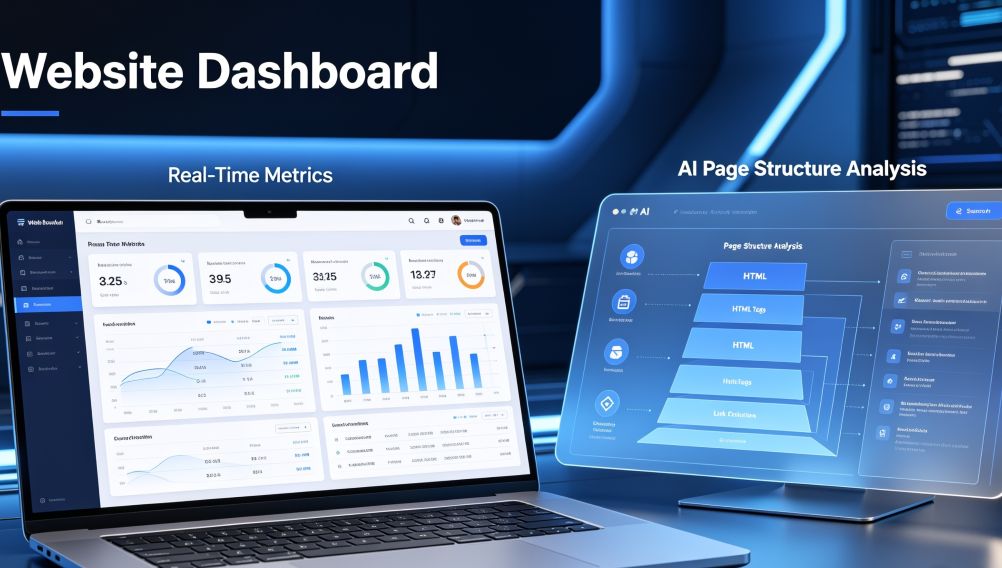
Search behavior is changing as AI-powered search engines and generative assistants deliver direct answers instead of long lists of links. Recent developments from Google, including AI Overviews, and advancements from Microsoft Bing and AI assistants have encouraged businesses to rethink how websites communicate information. Research from Google Search Central shows that clear page structure, high-quality content, and technical accessibility help search systems understand and present information more effectively.
Modern AI-friendly website design focuses on making content easy for both people and machines to interpret. Reports from Nielsen Norman Group explain that users scan pages quickly, while AI systems rely on logical headings, meaningful content hierarchy, and well-organized information. A website with intuitive navigation, descriptive headings, and consistent page layouts improves user engagement while making it easier for AI models to identify key topics and answer relevant questions accurately.
How Website Layouts Influence AI Understanding
Traditional SEO often emphasized keywords and backlinks. AI-powered search expands that focus by evaluating how information is organized and whether it answers user intent clearly. Findings published by Google Search Central recommend using descriptive headings, concise paragraphs, and content that demonstrates expertise and trustworthiness.
Good layout design also improves the visitor experience. Studies from Baymard Institute show that simple navigation, readable typography, and logical page organization help visitors find information faster. When users spend more time engaging with content and experience fewer obstacles, websites often achieve stronger overall performance.
Why Structured Data, Accessibility, and Speed Matter
Structured data has become an essential part of modern web development. Guidance from Schema.org and Google Search Central explains that structured markup helps search engines identify products, articles, organizations, FAQs, and other important page elements. Better context allows AI systems to generate more accurate summaries and search responses.
Accessibility is equally important. The World Wide Web Consortium (W3C) encourages websites to follow the Web Content Accessibility Guidelines, making digital experiences usable for people with disabilities. Accessible websites typically include descriptive alt text, proper heading structures, keyboard-friendly navigation, and sufficient color contrast. These practices improve usability while providing clearer signals to AI systems.
Page speed continues to influence user satisfaction. Data from Google highlights Core Web Vitals as useful measurements of loading performance, responsiveness, and visual stability. Faster websites reduce visitor frustration and create smoother browsing experiences across desktop and mobile devices.
Practical AI-Ready Design Strategies
Businesses preparing for AI-driven search can strengthen their websites by adopting practical improvements:
- Create clear content hierarchies using descriptive headings.
- Implement structured data where appropriate.
- Improve page speed by optimizing images and reducing unnecessary scripts.
- Design mobile-first layouts that remain easy to navigate.
- Follow accessibility standards recommended by W3C.
- Publish original, trustworthy content supported by credible sources and expert knowledge.
Many leading organizations already follow these principles. Websites from government agencies, universities, healthcare providers, and established publishers frequently organize information into clearly defined sections, making their content easier for both readers and AI systems to interpret.
The Future of AI-Driven Web Design
AI search is reshaping the relationship between web design, user experience, and content strategy. Experts from Gartner note that AI-assisted discovery will continue influencing how people find information across digital platforms. Designers and developers who prioritize clarity, accessibility, technical performance, and reliable information will be better prepared for these evolving search experiences. While traditional SEO remains valuable, future success will increasingly depend on creating websites that communicate naturally with both human visitors and intelligent search systems.